Wedding flowers for Primrose Hill ceremonies
Posted on 11/10/2026
Wedding flowers for Primrose Hill ceremonies: a practical, elegant guide
Planning Wedding flowers for Primrose Hill ceremonies can feel wonderfully exciting and mildly chaotic at the same time. Primrose Hill has that calm, polished London feel-green views, elegant venues, a little bit of weekend buzz, and just enough local character to make a wedding feel personal. The flowers need to match that mood without trying too hard. That is the sweet spot.
This guide walks you through how to choose flowers that suit the setting, how the process usually works, what matters most on the day, and where couples often trip up. You will also find practical examples, style comparisons, and a checklist you can use while planning. Truth be told, a good floral plan saves stress in a way that is hard to appreciate until you are standing there, bouquet in hand, five minutes before the ceremony.
If you want the look to feel natural, refined, and properly thought through, you are in the right place.
- Why this matters in Primrose Hill
- How the floral planning process works
- Key benefits and practical advantages
- Who it is for and when it makes sense
- Step-by-step guidance
- Expert tips for better results
- Common mistakes to avoid
- Tools, resources and recommendations
- Law, compliance, standards, and best practice
- Options and comparison table
- Real-world example
- Practical checklist
- Conclusion
- Frequently asked questions
Why Wedding flowers for Primrose Hill ceremonies Matters
Primrose Hill is not a place where wedding flowers can afford to look accidental. The area has a distinct mix of charm and calm: leafy streets, handsome buildings, relaxed luxury, and a sense that everything should feel effortless even when a lot of planning has gone into it. That is exactly why the floral choices matter so much.
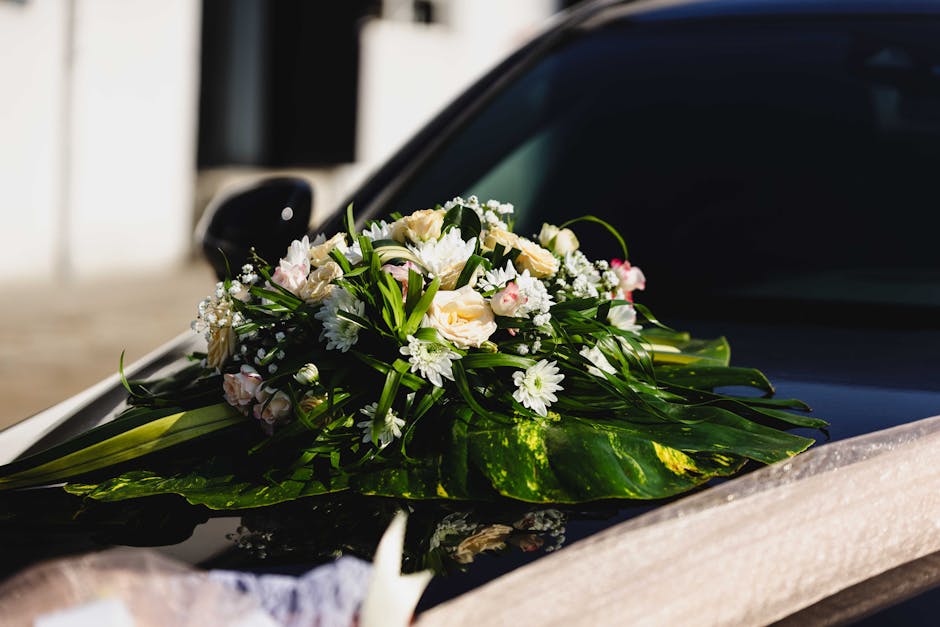
For a ceremony in this part of London, flowers do more than decorate. They frame photographs, soften the space, help define the mood, and connect the venue to the season. A simple ceremony table with the right arrangement can feel intimate and considered. A bouquet that suits your outfit, venue, and colour palette can pull the whole look together. A poor floral choice? You notice it immediately. Sometimes everyone notices it, unfortunately.
There is also a local practical side. Primrose Hill venues can vary widely, from smaller intimate spaces to places with more architectural detail. Some rooms take well to romantic, loose flowers. Others need cleaner lines and slightly stronger visual structure. If you match the flowers to the setting, the result feels more expensive, even when the flower list itself is fairly modest.
Key point: in Primrose Hill, flowers should complement the setting, not compete with it. That simple rule saves a lot of guesswork.
How Wedding flowers for Primrose Hill ceremonies Works
The process usually starts with three things: your venue, your ceremony style, and your budget. Once those are clear, the floral plan gets much easier. A florist will normally ask about the date, the time of day, whether the ceremony is indoors or outdoors, and what sort of atmosphere you want. Romantic and soft? Clean and modern? Seasonal and relaxed? Those answers shape everything else.
In practical terms, wedding flowers are often planned in layers. First come the essentials: bridal bouquet, bridesmaid bouquets, buttonholes, and the ceremony focal point. Then comes the supporting design: pew ends, entrance flowers, registrar table arrangements, or table centrepieces if the ceremony and reception are close together. Finally, small finishing touches tie things together. A well-placed stem here, a ribbon choice there. Nothing dramatic, but very effective.
Primrose Hill ceremonies often benefit from designs that feel polished rather than overbuilt. The area does not usually ask for huge, theatrical displays unless that is your personal style. More often, couples choose arrangements that feel fresh and elegant, with enough detail to stand up in photos and enough restraint to suit a refined London setting.
If you are browsing style ideas, it can help to look at a dedicated range such as wedding flowers and then narrow down by bouquet type, colour, or arrangement style. That makes the planning less overwhelming, which, let's face it, is always welcome.
Key Benefits and Practical Advantages
Good wedding flowers do more than look pretty in the moment. They solve real problems. They make a venue feel dressed. They make the ceremony feel intentional. And they give you beautiful, consistent photographs without needing a thousand extra decorations.
Here are the main benefits couples usually notice:
- Visual cohesion: the ceremony feels connected from aisle to bouquet to table styling.
- Better photos: flowers add colour, softness, and depth to shots without stealing the scene.
- Seasonal relevance: the right flowers feel more natural and usually hold up better.
- Guest experience: even a modest arrangement can make a room feel welcoming and cared for.
- Less stress on the day: a clear floral plan reduces last-minute decisions and muddling about.
There is also a budget benefit that people sometimes overlook. When the flowers are chosen intelligently, you do not need to overspend on quantity. You can use a few strong focal pieces and repeat the same palette in different formats. That is often smarter than scattering flowers everywhere and hoping for the best.
A nice side effect? The same flowers can often serve double duty. Ceremony flowers can be moved to the reception, bouquets can become table accents, and buttonholes can tie the wedding party together with very little extra effort.
Who This Is For and When It Makes Sense
This is for couples planning a Primrose Hill ceremony who want flowers that feel considered, local, and appropriate to the space. It is also a good fit if you care about the look in photographs, value calm planning, and want to avoid overcomplicating the floral side of the wedding.
It especially makes sense if:
- you are marrying in a smaller or mid-sized venue where detail matters;
- you want a modern London look rather than a highly formal one;
- you are planning a seasonal wedding and want flowers that make sense naturally;
- you need a florist who can handle both ceremony and bridal party pieces;
- you are trying to keep the budget sensible without losing elegance.
It is also useful for couples who are not floral experts. Most people are not, to be fair. You may know you like white roses, or maybe you love something more textured and loose, but the jump from Pinterest board to actual wedding plan can feel a bit weirdly technical. That is normal.
If you prefer a lighter, classic bridal style, a bouquet from the bridal bouquet collection can be a practical place to start. If you need something for the wider wedding party, there are also coordinated options for bridesmaids and buttonholes.
Step-by-Step Guidance
1. Start with the venue and ceremony layout
Before you choose a single stem, think about the room itself. Where will people sit? Where does the couple stand? Is there enough natural light for pale flowers, or would deeper tones photograph better? A small room can be overwhelmed by heavy arrangements, while a larger space may need something with more presence.
2. Choose a core colour palette
Pick two or three main colours, then add neutrals or greenery for balance. White, blush, soft lilac, and green work well for a timeless Primrose Hill feel. If you want something bolder, choose one strong shade and keep everything else restrained. Otherwise the design can start arguing with itself. Nobody wants that.
3. Decide what the flowers need to do
Not all flowers have the same job. A bridal bouquet should feel comfortable to hold and flattering in photos. Buttonholes should be small and durable. A ceremony arrangement should read clearly from a distance. Once you define each role, the choices get simpler.
4. Select the flower types
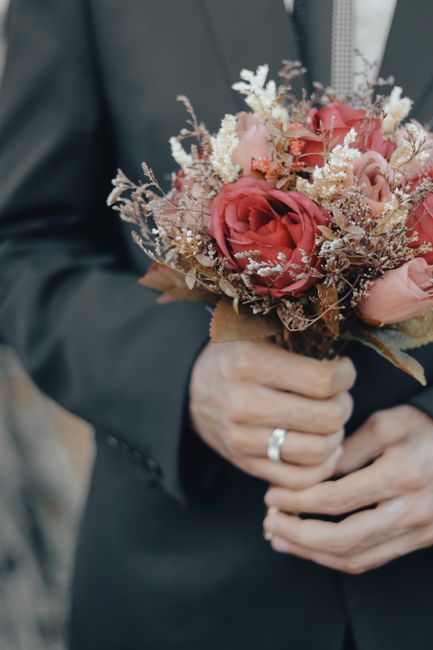
Some flowers naturally suit weddings more than others because they hold shape, travel well, and look elegant in close-up photographs. Popular choices for wedding ceremonies include roses, lisianthus, orchids, lilies, chrysanthemums, hydrangeas, and alstroemeria. Roses remain a classic for a reason, but modern mixed arrangements can look equally polished.
For a more specific starting point, you might look at a white bridal bouquet, coordinated bridesmaid flowers, and a matching groom buttonhole if you want a clean, unified palette.
5. Confirm quantities and timing
Work out exactly how many bouquets, buttonholes, corsages, and arrangements are needed, then confirm when they should be delivered. Wedding flowers are time-sensitive. Freshness matters. So does having enough buffer for setup, especially if access is a little awkward or the venue is busy earlier in the day.
6. Plan the day-before and day-of logistics
Ask how the flowers will be kept cool, how they will be transported, and who will place them where. If the bouquet is being collected rather than delivered, make sure the collection time is realistic. A wedding morning can be brisk, a bit emotional, and slightly hilarious in the "where did the confetti go?" sense.
7. Finalise styling details
Small details matter more than people expect. Ribbon colour, vase choice, container shape, and stem finish all affect the overall result. If you want a softer finish, ask for flowing ribbons and airy movement. If you want a more contemporary look, keep the shapes tight and clean.
Expert Tips for Better Results
Here is the useful bit, the stuff that saves you from the classic planning headaches.
- Choose flowers that suit the season. Seasonal blooms tend to look fresher and integrate more naturally into the day.
- Match the scale to the venue. A compact ceremony space usually wants elegant restraint, not a wall of flowers.
- Ask for a sample-style description. Even if you do not see the flowers in person first, ask your florist to describe the size, texture, and finish clearly.
- Mix focal blooms with filler carefully. A good arrangement has structure, not just volume.
- Keep one visual thread across the wedding party. It might be the same flower family, the same ribbon tone, or the same green element repeated across all pieces.
One thing we often notice is that couples worry too much about having "enough" flowers and not enough about having the right flowers. A smaller, coherent design often looks far more luxurious than a larger one with no clear idea behind it.
If you are using ceremony arrangements again for the reception, tell your florist early. That single detail can shape the mechanics of the whole day. You do not want a beautiful arch that is impossible to move. Beautiful, yes. Practical, not so much.
Expert summary: the best Primrose Hill wedding flowers feel calm, fresh, and deliberate. They should look effortless, even though they are anything but.
Common Mistakes to Avoid
Wedding flowers go wrong in fairly predictable ways. The good news is that most of them are avoidable if you plan with a bit of honesty.
- Choosing flowers only from photos. A bouquet may look stunning online but feel too large, too formal, or too delicate in real life.
- Ignoring venue proportions. Tiny arrangements can disappear in a larger room, while oversized pieces can crowd a small ceremony space.
- Not checking timing. Fresh flowers need sensible delivery and setup windows, especially on busy London days.
- Overloading the palette. Too many colours can make the whole scheme feel restless.
- Forgetting practical handling. Bridesmaids need to carry bouquets comfortably. Buttonholes need to stay neat. Simple, but easy to overlook.
- Leaving contingency too late. If a specific flower is out of season, you need a backup plan that still fits the design.
Another common issue is under-communicating with the florist. If you like garden-inspired flowers, say that. If you hate overly structured bouquets, say that too. Floral briefings work best when people are plainspoken. Not rude. Just clear.
Tools, Resources and Recommendations
You do not need a giant planning system to get this right. A simple, organised approach works better for most couples.
- A mood board: save images that reflect shape, colour, and feeling, not just individual flowers.
- A venue photo: especially useful if your florist has not worked there before.
- A guest list snapshot: helps determine how many buttonholes, corsages, and table pieces may be needed.
- A colour reference: a bridesmaid dress swatch, invitation design, or fabric sample can be surprisingly helpful.
- A floral checklist: keep one running list of ceremony items so nothing is missed at the final stage.
For couples wanting a simple starting point, browsing the broader wedding range can help narrow the style direction before you dive into specifics like bridal bouquets or centrepieces. If you are focused on classic ceremony styling, the wedding table arrangements page is useful for reception planning as well.
Another practical recommendation: ask about flower care after delivery. A bouquet that looks perfect at 9 a.m. still needs the right treatment if it is going to look good in the late-afternoon photos. Simple things like cool storage, clean water, and avoiding direct heat make a real difference.
Law, Compliance, Standards, or Best Practice
For wedding flowers, the compliance side is usually light, but there are still sensible best practices to keep in mind. Venues often have their own access rules, setup windows, candle policies, and restrictions on adhesives or hanging installations. Always check those details early. It avoids awkward surprises on the day, which nobody enjoys.
If your ceremony involves public access areas, shared building spaces, or tight delivery slots, coordination matters. In London, the practical expectation is usually clear communication with the venue and florist, not guesswork. If there are loading restrictions, lift access issues, or narrow stairways, mention them well in advance.
From a floral standards perspective, freshness, safe handling, and accurate delivery are the baseline. Florists should package arrangements so they travel securely and arrive in good condition. They should also be transparent about substitutions if a specific flower is unavailable. That is just good practice, really.
Sustainability can also matter to couples. Some people prefer reusable containers, seasonal blooms, or less wasteful design choices. If that is important to you, say so. A florist can often adjust the plan without affecting the overall style.
And if you are comparing terms and service expectations, it is worth checking general policies such as terms and conditions, delivery information, and guarantees so you know what level of support to expect.
Options, Methods, or Comparison Table
Different flower approaches suit different Primrose Hill ceremonies. The best option depends on your venue, budget, and the mood you want to create.
| Approach | Best for | Strengths | Watch-outs |
|---|---|---|---|
| Classic white and green | Timeless, elegant ceremonies | Works almost anywhere, photographs cleanly, feels calm | Can look flat if texture is ignored |
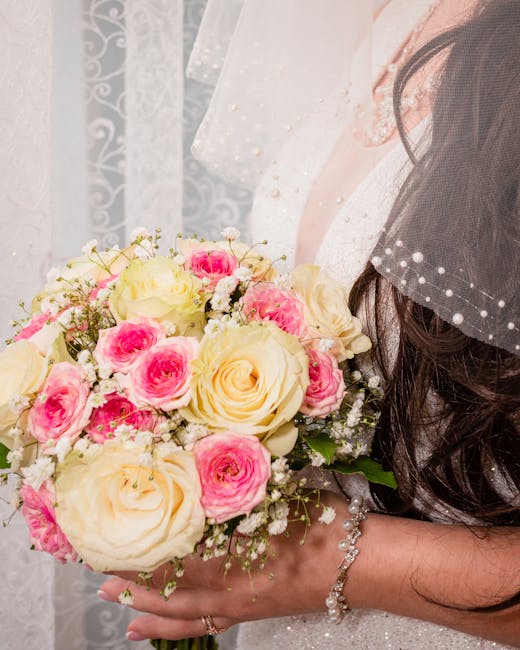
| Soft blush and pastel mix | Romantic and garden-inspired weddings | Warm, flattering, gentle in smaller rooms | Needs careful balance to avoid looking overly sweet |
| Bold colour accents | Couples wanting personality and energy | Memorable, striking in photos, visually confident | Needs discipline so it does not become visually noisy |
| Minimal modern design | Contemporary venues and smaller budgets | Neat, clean, stylish, often very practical | Can feel too sparse if the venue is visually busy |
| Seasonal mixed arrangements | Natural, relaxed ceremonies | Textural, fresh, adaptable, often excellent value | Needs a florist with a good eye for structure |
For many Primrose Hill weddings, a seasonal mixed arrangement offers the best balance. It feels fresh without becoming fussy. That said, if you love the certainty of a classic rose-led design, there is nothing wrong with that. Weddings are not the place for flower-industry peer pressure.
Case Study or Real-World Example
Imagine a couple planning a late-spring ceremony near Primrose Hill. They want something elegant but not stiff, with a soft colour palette and only a few key pieces. The venue is attractive on its own, so they do not need to cover every surface. Good instinct, actually.
The floral plan is kept simple:
- one bridal bouquet with roses, lisianthus, and light seasonal foliage;
- two bridesmaid bouquets in a smaller version of the same palette;
- three buttonholes for the groom and close family;
- two ceremony arrangements near the front of the room;
- repurposed arrangements moved to the reception afterwards.
What made this work was not the number of flowers. It was the consistency. The shapes echoed each other, the colour palette stayed calm, and the pieces were scaled to the room. The bride did not have to keep adjusting the bouquet. The venue looked styled rather than overdecorated. The photographs felt cohesive. That kind of outcome is what most couples are really after, even if they cannot always say it that neatly at the start.
If the couple wanted a similar look with easy coordination, they could build it from pieces like a bridal bouquet, matching bridesmaid bouquets, and buttonholes. A simple set, but enough to make the whole ceremony feel complete.
Practical Checklist
Use this before you finalise your wedding flower order. It is not glamorous, but it works.
- Have you confirmed the venue name, access details, and setup window?
- Do you know whether the ceremony is indoors, outdoors, or partly both?
- Have you chosen a clear colour palette?
- Do you know which flowers must appear in the bouquet or arrangements?
- Have you listed every required item: bouquet, bridesmaid bouquets, buttonholes, corsages, table pieces, and any extras?
- Have you decided what will happen to ceremony flowers after the vows?
- Do you need a delivery service or collection?
- Have you checked the venue's restrictions on candles, hanging flowers, or adhesives?
- Have you shared dress colours, table settings, or invitation imagery with the florist?
- Do you have a backup plan if a flower is unavailable?
Quick takeaway: if you can answer those ten points clearly, you are in a very strong position. The rest is fine-tuning.
Get a free quote today and see how much you can save.
Conclusion
Wedding flowers for Primrose Hill ceremonies should feel elegant, locally appropriate, and genuinely useful on the day. The best designs do not shout. They frame the moment, support the setting, and help the ceremony feel as beautiful in real life as it does in your head.
If you focus on scale, season, colour balance, and practical setup, you will usually end up with flowers that do exactly what they should: make the day feel complete. Not complicated. Not overdone. Just right.
And honestly, that is often the hardest thing to achieve. When it works, though, you feel it straight away.
There is a certain calm that comes from walking into a room and seeing everything in its place. Flowers help create that. A small thing, maybe. But on a wedding day, small things carry a lot of weight.
Frequently Asked Questions
What flowers are best for a Primrose Hill wedding ceremony?
Roses, lisianthus, orchids, lilies, hydrangeas, and alstroemeria are all popular choices because they suit a range of styles and generally photograph well. The best option depends on your venue, season, and the overall look you want.
How far in advance should I book wedding flowers?
Earlier is usually better, especially for a specific date in a busy London area. Booking well ahead gives you more choice over flower types, design style, and delivery timing. If your wedding falls in a busy season, do not leave it too late.
Can I keep the flower budget modest and still have a nice look?
Yes. A smaller number of well-chosen arrangements often looks more polished than trying to fill every corner. Focus on the bouquet, buttonholes, and a few strong ceremony pieces, then reuse flowers where possible.
What should I bring to my florist appointment or enquiry?
Bring venue details, the wedding date, a rough guest count, colour references, and any inspiration images you genuinely like. It also helps to know whether you want classic, garden-style, modern, or seasonal arrangements.
Do wedding flowers need to match the bridesmaids' dresses exactly?
No, and they usually should not. A good floral palette complements the dresses without becoming too matchy. Subtle coordination tends to look more elegant in photos.
Can ceremony flowers be reused at the reception?
Often, yes. This is one of the smartest ways to stretch your budget. Ask the florist how the arrangements can be moved or repurposed after the ceremony so nothing goes to waste.
What is the difference between a bridal bouquet and bridesmaid bouquet?
A bridal bouquet is usually larger, more detailed, or more statement-led. Bridesmaid bouquets are typically smaller and simpler, but designed to echo the same style so the wedding party looks coordinated.
Are buttonholes necessary for a wedding ceremony?
Not strictly necessary, but they are a very common finishing touch for the groom and close family. They help the wedding party look visually connected, especially in formal photographs.
What if a specific flower is out of season or unavailable?
A good florist should suggest a suitable substitute that keeps the same feel, colour tone, and structure. This is normal. It is better to have a thoughtful replacement than force an awkward choice just for the sake of it.
How do I make sure my flowers suit the Primrose Hill setting?
Think about scale, light, and atmosphere. Primrose Hill often suits elegant, understated, and well-balanced designs. If the room is already visually strong, your flowers should support it rather than compete with it.
Do I need a separate design for the ceremony and reception?
Not always. If the venues are close together or the spaces are similar, one floral scheme can often work across both parts of the day. A florist can help you decide whether a single unified design or two slightly different looks makes more sense.
What is the best way to keep wedding flowers looking fresh on the day?
Keep them cool, out of direct sun, and handled as little as possible before the ceremony. Good delivery timing and careful storage make a noticeable difference, especially for bouquets and delicate blooms.
Should I choose white flowers or a colour mix?
White flowers are timeless and easy to coordinate, while a colour mix can add personality and warmth. If you are unsure, soft neutrals with a gentle accent colour are often the safest and most elegant middle ground.
Can I order wedding flowers as part of a larger flower range?
Yes, and many couples do. Looking through the wider selection can help you compare styles and find the right fit. If you want to explore more options, the all flowers range can be a useful starting point for ideas beyond the wedding-specific pieces.


